
FILLINGS Fillings are done to remove decay, and replace the affected tooth structure. It is called a filling because new material fills the hole that decay left. Most teeth are treated with bonded tooth colored composite resin fillings. Caught early enough, cavities can be treated easily and painlessly. If not treated decay can lead to tooth pain and/or infection, and the tooth would need root canal treatment or extraction.
BONDING
Bonding involves adhering composite resin
material that is matched to the color of the tooth, to the front of the tooth.
This is done to repair damage done to the tooth by decay, to alter the
alignment of the tooth, close gaps between the teeth, or for cosmetic
purposes.
First the surface of the tooth is roughened in order to accept the bonding and
hold it. A gel is applied to micro etch the tooth surface, and a primer/bond
agent is applied so the material adheres to the surface. Then the material
itself is placed on the tooth and hardened with intense light. The composite
resin material is shaped and polished to get a lustrous finish as a last step.
SEALANTS
This is used to fill in narrow grooves in a tooth that cannot be adequately
cleaned by brushing. In some cases, the tooth structure has fine grooves or
pits which accumulate plaque, not because the person doesn't brush, but
because they're too narrow to allow even one bristle into them. These will
develop cavities over time, and you don't want that. So the dentist will brush
on a coating that seals the grooves and pits, making it possible to brush off
all the plaque and keep your teeth healthy.
NON-SURGICAL GUM TREATMENTS
The gums, ligaments, and bone around the teeth form the foundation for ones
teeth. All structures are also referred to as the periodontium. When the
periodontium is not healthy, it jeopardizes the teeth just as a bad foundation
would threaten the stability of a house. Signs of unhealthy periodontium (gum
disease) may be as follows: gums that are red and bleed easily, persistent bad
breath, gums that are pulled away from the tooth, loose teeth, and changes in
the position or bite of the teeth. Any of these signs may mean something is
wrong. With the proper care, however, it may be possible to return them to a
healthy state. This is where appropriate gum treatments come in. If you're
having a problem, come in and see us so we can take care of it right away. The
treatment usually involves a deep cleaning or root planing done under a local
anesthetic, along with local antibiotic agents. If the gum disease gets too
severe it may need to be treated through surgery or extraction. This is why it
is important to get it treated at the first sign of a problem.
DIGITAL X-RAYS
This is a focused beam of X-Ray particles through bone which produces an image
on special film, showing the structure through which it passed. This
gives the familiar black and white images that doctors and dentists use to
diagnose problems. X-rays are a necessary part of the diagnostic process, and
not to use them could lead to undiagnosed disease. Without an X-ray of the
whole tooth, and supporting bone and gum tissues, there is no real way to
detect infection or pathology that requires attention. In our office we use
digital radiography which allows us to take X-rays using 80-90% less radiation
versus conventional X-rays. Coupled with computer monitoring, digital x-ray
technology allows us to enhance the images for better diagnosis of any dental
concerns.
GOCCLES
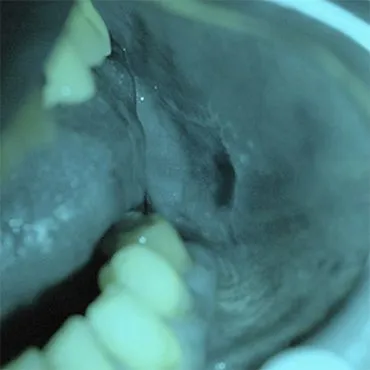
Goccles® is a medical device that uses the common curing light present in every dental office to perform a quick and non-invasive examination of the autofluorescence of the oral cavity, identifying any precancerous and cancerous lesion.The signs and symptoms of oral cancer are often missed by the naked eye, especially in its early stages. Oral cancer includes cancers of the mouth and the back of the throat. It is one of the 10 most common cancers in the world, and in some countries, the incidence of oral cancer ranks among the top three cancers. Oral cancer is most prevalent among middle-aged men, but women and younger people are increasingly affected.
Oral cancers develop on:
- The tongue, the tissue lining the mouth and gums
- Under the tongue, at the base of the tongue
- The area of the throat at the back of the mouth
- Tobacco and alcohol use: any kind of tobacco, including cigarette smoking, and heavy alcohol use puts at risk for developing oral cancers. Using both tobacco and alcohol increases the risk even further.
- HPV: Infection with the oral sexually transmitted human papillomavirus (specifically the HPV 16 type)
- Trauma: traumas of the inner surface of the mouth. Age: risk increases with age. Sun Exposure: develops cancer of the lip. Diet: a diet low in fruits and vegetables increases OC risk.
A new reason for concern
Oral cancer is now being found in a younger population of men and women who
don’t smoke or drink heavily. The reason for this increase in people under age
40 is due to exposure to the HPV – 16 and HPV – 18 viruses, known collectively
as the human papillomavirus. The HPV virus can spread by intimate contact,
including kissing. That is why the CDC recommends that all patients over the
age of 17 be screened annually for oral cancer.
When oral cancer begins, it may not always produce pain or discomfort. If you
notice a change in your mouth or throat such as a sore, or red or white spot
that lasts longer than 2 weeks, you should contact your dentist immediately.
SELF-CONTAINED WATER SYSTEM
In our office, we use distilled
water for all of our dental procedures.